Skip to content
Most chimney fires don’t start with a bang. They start quietly — and that’s exactly why chimney fire prevention has to happen well before the coldest night of the year, not after smoke starts rolling into the room.
A homeowner burns damp wood. The fire smolders. Creosote slowly coats the flue. A bird nest goes unnoticed over the summer. Then one cold night, the conditions line up. Some chimney fires produce the classic freight-train roar, popping sounds, and flames shooting from the chimney top. Others burn slowly enough that the homeowner never realizes a fire happened at all — and that second kind can be more dangerous, since the fireplace often gets used again after the fire has already cracked the liner or damaged the chimney.
Real chimney fire prevention isn’t complicated: have the chimney inspected annually, remove creosote before it accumulates, burn dry seasoned wood, maintain good airflow, and stop using the fireplace the moment a warning sign appears. The U.S. Fire Administration recommends having heating equipment and chimneys cleaned and inspected every year by a professional — and for homeowners across Atlanta, Sandy Springs, Roswell, Marietta, Alpharetta, Dunwoody, Brookhaven, Decatur, and Smyrna, that matters even more, since fireplaces here often sit unused through long, humid summers before suddenly going back into service during the first cold snap.
What Causes a Chimney Fire?
The most common fuel for a chimney fire is creosote — a combustible residue created when wood smoke, vapors, and unburned particles travel into the cooler chimney and condense along the flue walls. It can appear as fine black powder, dry flakes, sticky tar, or a thick, shiny glaze. All forms deserve attention, but hard, shiny glazed creosote is especially difficult to remove.
CSIA explains that creosote buildup is accelerated by restricted airflow, unseasoned wood, and cooler chimney temperatures — and if enough of it accumulates and the flue gets hot enough, it can ignite. That means chimney fire prevention starts long before the fire itself. It starts with how you maintain and operate the fireplace day to day.
Chimney Fire Prevention: The 4 Habits That Actually Matter
Schedule a Professional Inspection Every Year
Don’t assume the chimney is safe just because it worked fine last winter — a lot can happen between burning seasons. Animals can enter the flue, water can damage masonry, a cap can blow loose, and creosote from last winter can simply sit there through spring and summer. CSIA specifically notes that chimneys can become unsafe even with limited use, since deterioration and animal activity can happen between inspections regardless of how often the fireplace gets lit.
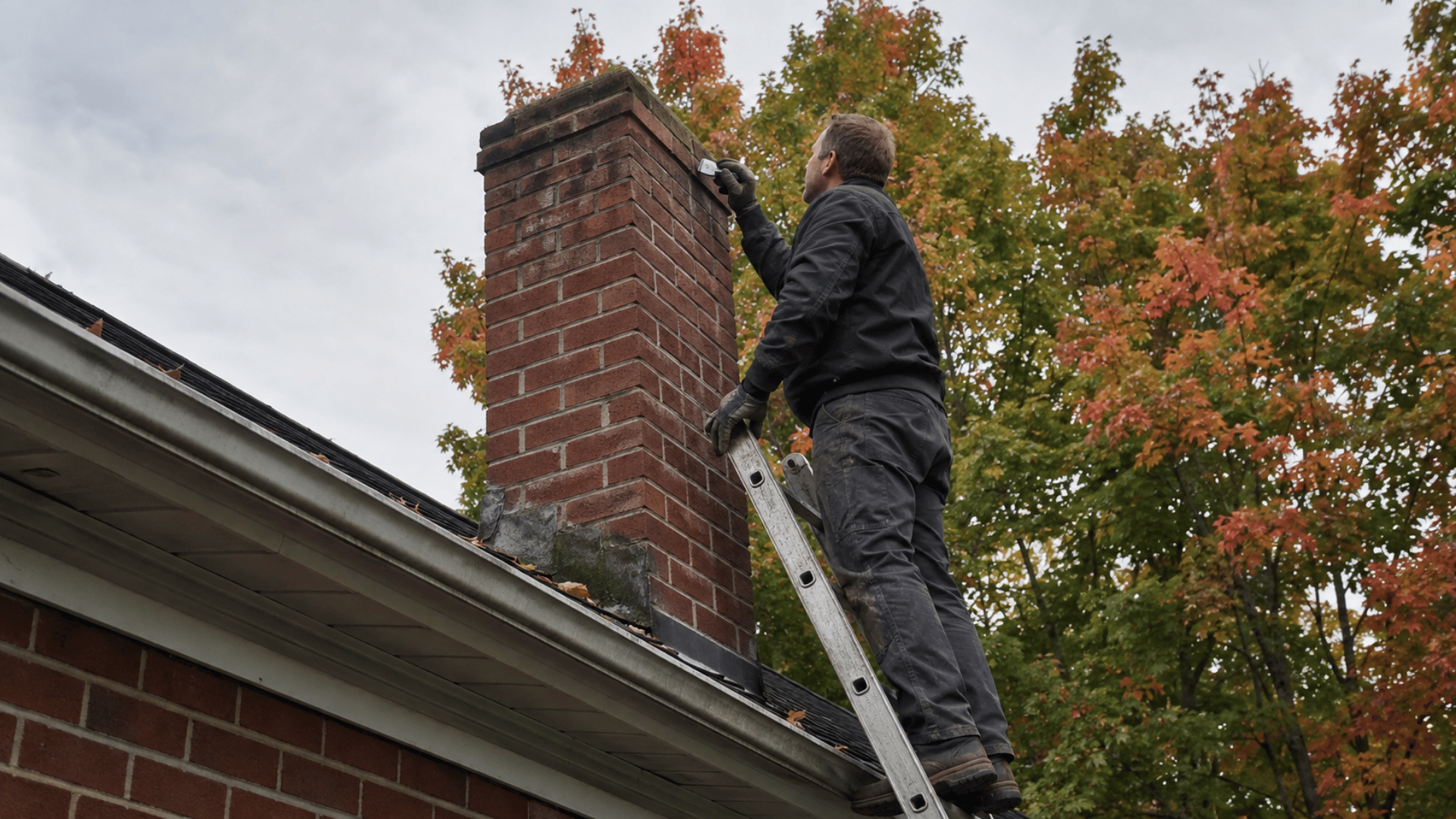
A routine chimney service should evaluate the firebox, damper, smoke chamber, flue, cap, crown, exterior masonry, and any signs of water damage. If there’s been a chimney fire, a smoke problem, a property transfer, or major storm damage, a Level 2 inspection with internal video scanning is usually the right call — CSIA’s Level 2 procedure specifically includes video scanning and recommends it after a fire or other event likely to have caused damage.
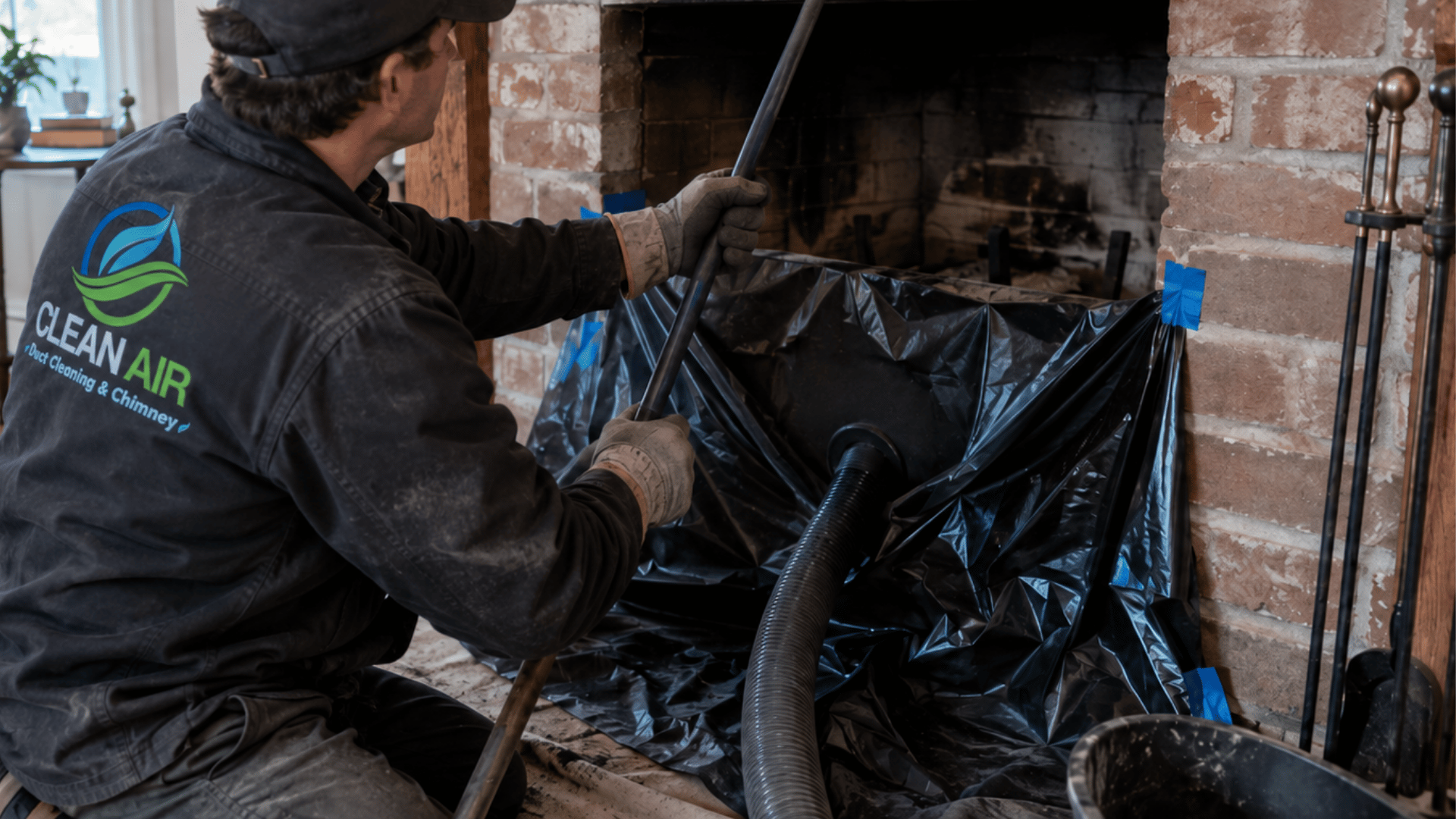
As for how much creosote is too much: CSIA recommends sweeping masonry fireplaces at around 1/8 inch of sooty buildup, and sooner if glazed creosote is present. Glaze matters because ordinary brushing often isn’t enough to remove it — a professional may need rotary equipment or a specialized treatment followed by mechanical removal. If you’re not sure how often that adds up to for your household, our guide on how often a chimney actually needs sweeping breaks that down by usage.
Burn Dry, Seasoned Firewood
One of the fastest ways to create creosote is burning wet wood. Wet wood wastes energy evaporating moisture instead of producing a clean, hot fire — the result is more smoke and cooler flue gases, exactly the conditions that encourage creosote to form. EPA guidance recommends wood with less than 20% moisture content, and says properly seasoned wood burns hotter with less smoke. The easiest way to check is a moisture meter — split a log and test the freshly exposed interior, not just the outside.
Good fireplace wood includes properly seasoned oak, ash, maple, hickory, and other dry, untreated firewood. Skip wet or green wood, painted wood, pressure-treated lumber, plastic, household trash, and anything soaked in an accelerant.
Pine is often blamed for chimney fires because of its resin content, but moisture and combustion quality matter more than the species alone — properly seasoned softwood can be burned, especially for kindling. The bigger Atlanta-specific problem is fresh storm-fallen pine or other recently cut wood getting thrown straight into the fireplace before it’s actually dried. If the wood is wet, don’t burn it, no matter how convenient it looked after the last storm.
Keep the Damper Fully Open While the Fire Is Burning
Some homeowners partially close the damper thinking it’ll hold more heat inside — that can backfire. Reducing airflow slows combustion and leaves smoke sitting inside the chimney longer, and cooler, slower-moving smoke gives creosote more opportunity to condense on the liner. The damper should stay fully open the entire time a fire is burning or smoldering — never close it while there are still active embers producing smoke. And if the damper doesn’t open fully in the first place, don’t light the fireplace until it’s repaired.
Burn Small, Hot Fires Instead of Smoldering Ones
A smoky, lazy fire isn’t a good fire — you want enough airflow for the wood to burn cleanly. EPA recommends starting with a small, hot fire, gradually adding dry wood, and maintaining good airflow rather than letting the fire smolder. A top-down fire often works well: larger logs on the bottom, medium wood above them, kindling on top, and a fire starter or newspaper at the very top, so the fire establishes heat and draft quickly. Don’t pack the firebox so tightly that air can’t circulate — but don’t build an oversized fire either, just to make the room hotter. Excessive heat can expose weaknesses in a chimney that’s already damaged or coated in creosote.
Warning Signs of Dangerous Creosote Buildup
Creosote doesn’t have to ignite before it starts giving you clues. A few chimney fire warning signs are worth taking seriously well before things get dangerous.
A Strong Campfire Smell When the Fireplace Is Cold
One of the most overlooked warning signs is a fireplace that smells strongly like an old campfire when nothing is burning. Creosote itself has a powerful odor, and CSIA notes this often becomes more noticeable during humid summer weather and when house pressure pulls chimney air downward — something Atlanta homeowners notice often. A persistent odor doesn’t automatically mean a chimney fire is imminent, but it’s a good reason to schedule cleaning and inspection before the next fire.
Black Flakes or Shiny Glaze in the Firebox
Dark flakes or crunchy deposits falling through the damper can mean creosote is breaking loose higher in the chimney — don’t assume it’s harmless soot. Shiny, glass-like black material is advanced creosote, and it can look like black ice, hardened tar, or melted black plastic. This kind of glazed creosote buildup can be highly combustible and difficult to remove with an ordinary brush. If you see either of these, stop using the fireplace and have the chimney evaluated — and never try to “burn it out” yourself.
Smoke Backing Into the Room, or Dark Smoke From the Chimney
Smoke backup can come from a blockage, an animal nest, heavy deposits, a damper problem, negative house pressure, or a damaged liner — whatever the cause, smoke entering the living room is not normal, and we cover the most common causes in our guide on why fireplaces smoke into the house. Once a fire is established, heavy dark smoke coming from the chimney outside can also mean wet wood or insufficient airflow — EPA recommends checking the chimney after a fire has been burning, since persistent visible smoke usually means the wood or the chimney needs attention.
Signs a Chimney Fire May Be Happening Right Now
Chimney fires don’t all look the same. Some are explosive. Others are almost silent. CSIA lists the classic indications: loud cracking and popping, dense smoke, an intense hot smell, rumbling, and flames or smoke coming from the chimney top. Watch for a roaring or rumbling sound similar to a freight train or jet, sparks shooting from the chimney, flames visible above the chimney top, unusual vibration, or smoke suddenly entering the house.
What to Do During a Chimney Fire
Treat it as a structural fire emergency. Get everyone out of the house and call 911 — do not wait to see whether it burns itself out, do not climb onto the roof, and do not re-enter the home after evacuating. Fire departments advise calling 911 even if the fire appears to have gone out on its own, since heat may have already spread into the roof, attic, or surrounding structure. Don’t throw water into a hot chimney, either — rapid cooling can damage extremely hot masonry, and dealing with an active chimney fire should be left to firefighters. The NFPA’s home heating safety guidance covers this exact scenario in more depth. Your job is evacuation, not firefighting.
Silent Chimney Fires: The Danger You Never Hear
Not every chimney fire sounds like a freight train. CSIA warns that many chimney fires go undetected because they burn slowly, without enough air or fuel to produce dramatic flames or noise — but they can still reach damaging temperatures and harm the chimney and nearby combustible materials. That creates a genuinely dangerous situation: the homeowner assumes nothing happened, and uses the fireplace again. But that first silent chimney fire may have already cracked clay tiles, opened liner joints, warped metal, or cracked masonry — and the second fire is now burning inside a chimney that may no longer contain heat and smoke correctly.
A Real Example From a Smyrna Home
A summer storm knocked down a large oak tree in a Smyrna backyard, and the homeowner figured: free firewood. They split the logs and stacked them. Four months later, winter arrived — the outside of the logs looked dry, but oak is dense, and the inside still held real moisture. Because they only used the fireplace on weekends, they skipped their annual chimney cleaning that year, assuming occasional use meant the chimney couldn’t be very dirty.
Over the next couple of months, they burned that damp oak. The fires were smoky and slow, sending heavy smoke into a cold chimney instead of producing efficient heat. That smoke condensed on the liner, and gradually, thick glazed creosote formed. Then the fireplace started smelling intensely like a damp campfire even when it wasn’t in use — and they ignored it.
One particularly cold evening, they built a much hotter fire with dry kindling. The flue temperature rose quickly, and the existing creosote ignited. But there was no dramatic explosion, no flames from the roof, no roaring freight-train noise. The chimney fire burned quietly and extinguished itself.
Months later, a professional inspection revealed the evidence: puffy, honeycombed creosote, cracked clay flue tiles, and heat-damaged components — the exact physical signs CSIA says chimney professionals look for after a fire has occurred. The chimney could no longer simply be swept and used again. The damaged liner had to be repaired before another fire could be lit. A relatively inexpensive inspection and cleaning could have prevented a far more expensive repair — and that’s really the whole case for chimney fire prevention in one story.
If you ever find clay tile pieces, crumbling mortar, or unusual debris inside the fireplace after a season of use, treat it the same way: don’t light another fire until it’s been looked at.
What Happens After a Chimney Fire
CSIA advises against using a chimney after a fire until it’s been swept and evaluated, since structural cracking, joint failure, or metal fatigue may not be visible from above or below. A proper post-fire evaluation typically includes:
- Chimney sweeping first, so puffed-up creosote doesn’t hide damage underneath it during the inspection
- A Level 2 video inspection, since the camera can reveal hairline liner cracks, broken clay tiles, missing mortar joints, and warped metal that a flashlight simply can’t show
- A smoke chamber and damper check, looking for warping, cracks, heat discoloration, or restricted movement
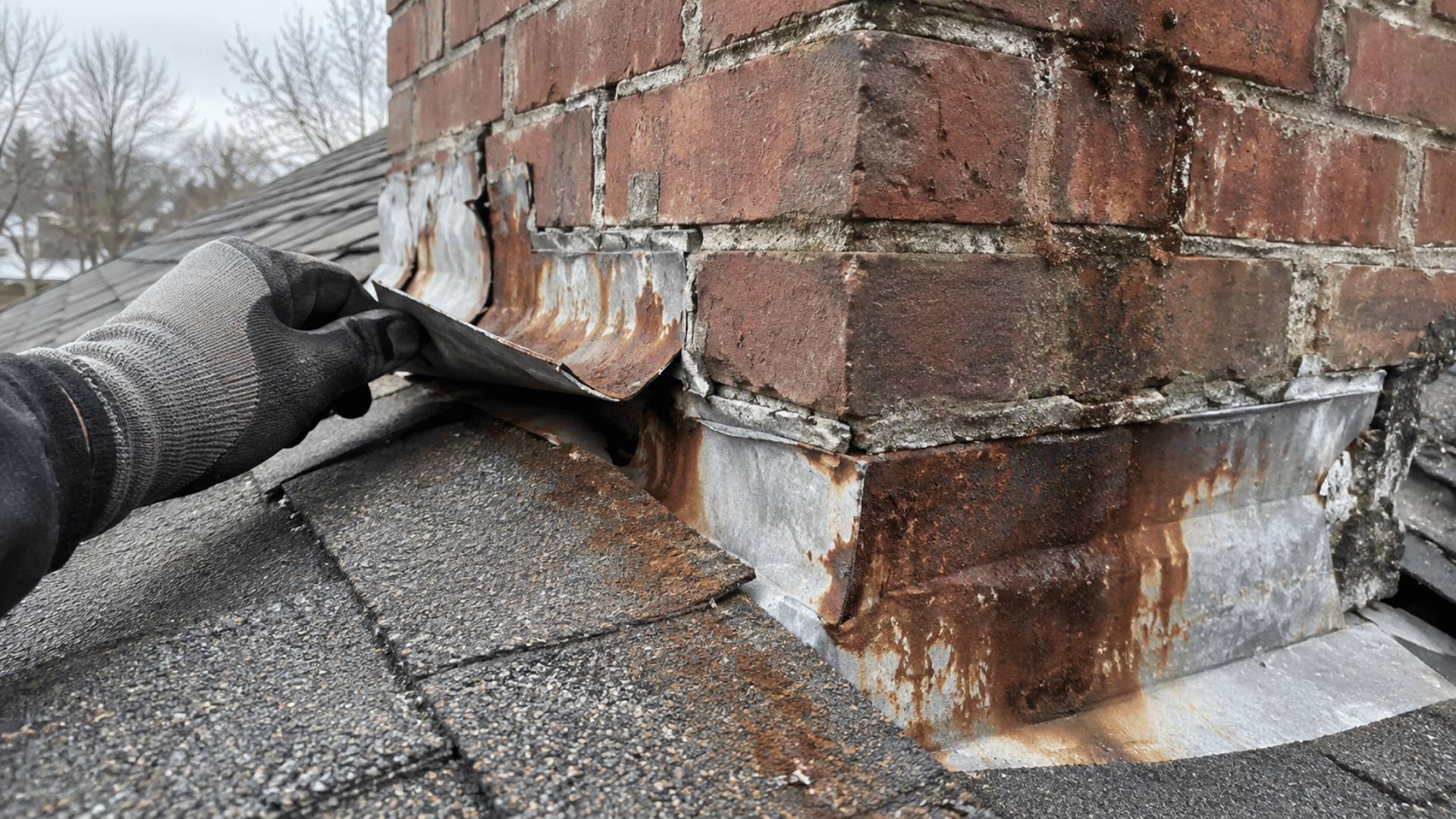
- An exterior inspection for masonry cracking, crown damage, cap discoloration, or flashing problems
- Accessible attic, basement, or crawlspace areas, to check whether heat affected the surrounding structure
Why This Matters More for Atlanta Homeowners
Atlanta fireplace use looks different from colder northern climates — most homeowners only light a fire occasionally, and that occasional-use pattern creates its own risks.
Long Off-Seasons and Storm-Fallen Wood
A fireplace can sit unused for seven or eight months at a time. During that stretch, wildlife can move in, debris can accumulate, water can enter through a damaged cap or crown (see our guide on why chimneys leak water inside), and existing creosote just sits there. Then temperatures drop suddenly and homeowners light the fireplace without checking anything first — exactly when hidden problems become dangerous. Atlanta storms also leave behind downed branches that look like convenient free fuel, but freshly cut wood isn’t ready to burn. Hardwoods especially need real drying time, and EPA guidance recommends properly seasoning wood and verifying moisture with a meter rather than guessing, as in the Smyrna example above.
Chimney Swifts, Wildlife, and Older Masonry
Chimney Swifts can nest and roost inside suitable chimneys, and they’re protected under the Migratory Bird Treaty Act — don’t attempt to burn out nesting material; have the chimney evaluated and follow applicable wildlife rules instead. A properly installed cap can help reduce future entry once the chimney’s been cleared. Older homes in neighborhoods like Midtown, Virginia-Highland, Inman Park, Grant Park, and parts of Decatur may also carry decades of aging masonry, deteriorated mortar, or previous chimney-fire damage that isn’t obvious without a real inspection. An old chimney isn’t automatically unsafe, but it deserves an actual look rather than an assumption.
Humidity
Atlanta’s humidity doesn’t create creosote by itself, but it makes existing creosote odors far more noticeable and can contribute to broader chimney moisture problems. If your fireplace develops a strong cold campfire odor during humid weather, don’t just cover the smell with an air freshener — have the chimney evaluated instead.
Common Mistakes That Increase Chimney Fire Risk
Beyond damper habits and firewood choice already covered above, a few other habits raise chimney fire risk on their own:
- Burning cardboard or wrapping paper. Boxes and wrapping paper produce lightweight burning fragments that rise rapidly into the chimney — the fireplace isn’t a trash incinerator.
- Burning trash or plastic. EPA specifically advises against burning garbage, plastics, and treated wood because of harmful emissions and poor combustion.
- Using gasoline or other accelerants. Never use gasoline, kerosene, lighter fluid, or similar accelerants in a wood-burning fireplace — they can produce sudden, uncontrollable flames. Use proper dry kindling or an approved fire starter instead.
- Treating creosote sweeping logs as a substitute for cleaning. CSIA specifically warns that even when these products loosen some deposits, the resulting material still has to be physically removed from the chimney system — the logs don’t do that part.
- Assuming “I barely use it” means “it’s clean.” Occasional use doesn’t eliminate creosote, animal nests, water damage, or liner deterioration — annual inspection is still worth it regardless of how often the fireplace actually gets lit.
Staying Alert Throughout the Season
Chimney fire prevention isn’t something you do once in October and forget. A few habits matter throughout the whole burning season:
- Keep ash under control. Let ashes cool completely before removal, use a metal container with a tight-fitting lid, and store it away from combustible materials — embers can stay hot long after a fire looks fully out.
- Watch the draft. If the fireplace suddenly drafts differently than it did before, stop and figure out why rather than pushing through it.
- Sweep again if you’re burning heavily. Annual inspection doesn’t necessarily mean cleaning only once a year — if you use the fireplace often, the chimney may need an extra sweep mid-season. The condition of the chimney matters more than the calendar.
Before You Light Your First Fire
Run through a few honest questions first: Has the chimney been inspected within the last year? Do you know when it was last swept? Is there a chimney cap? Does the damper open fully? Is there visible debris, or pieces of tile or mortar, in the firebox? Is there a strong smoky odor? Have there been any water leaks? Is the firewood actually dry? Did the house go through a major storm, or do you not know the fireplace’s history because you just bought the property?
If you can’t confidently answer those, don’t light a “test fire” to find out — have the chimney inspected first. And while you’re at it, make sure smoke and carbon monoxide alarms are tested and working; EPA recommends detectors throughout the home, including near sleeping areas. They’re the final warning layer if something does go wrong, not a substitute for maintenance.
What Chimney Fire Prevention Won’t Fix
Good habits reduce risk — they don’t undo damage that’s already there. Chimney fire prevention on its own won’t fix:
- A liner already cracked from a past silent chimney fire. That needs its own relining or restoration work, not just better burning habits going forward.
- A damper that’s already warped or stuck. Careful use helps going forward, but a damaged damper still needs its own repair.
- Existing water damage to the crown, cap, or masonry. Good fire habits won’t stop water from entering through an unrelated leak point.
- Structural or masonry problems from age or prior fire damage. An old or previously damaged chimney needs a real evaluation, not just careful firewood choices.
How to Choose the Right Chimney Company
Whether it’s a routine annual visit or a post-fire evaluation, look for:
- CSIA certification — the Chimney Safety Institute of America sets the industry’s recognized training standard
- Proof of insurance — protects you if something goes wrong on your property
- BBB accreditation — a verifiable track record, not just a promise
- A willingness to show you evidence, not just tell you — photos or video from a Level 2 scan, not a verbal opinion
Final Answer
Chimney fire prevention comes down to four habits: a real annual inspection, dry seasoned wood, a fully open damper during use, and small, hot fires instead of smoldering ones. Watch for the warning signs along the way — a strong cold-campfire smell, black flakes or shiny glaze, and smoke that shouldn’t be there — and remember that a silent chimney fire can do just as much damage as a loud one, without ever announcing itself. When in doubt, don’t light the fire to find out.
Final Advice From Our Team
This depends on the chimney — but if you don’t know whether it’s safe, do not light a fire to test it. Schedule the inspection, sweep it when deposits call for it, repair anything structural first, and then enjoy the fireplace with an actual answer instead of a guess.
Call (470) 706-6431 or contact us to schedule chimney fire prevention service in Atlanta, GA.
FAQ
What is the main cause of chimney fires?
Creosote buildup is one of the primary causes. Creosote is combustible residue produced during wood burning, and restricted airflow, wet or unseasoned wood, and cool flue temperatures can accelerate buildup.
How can I prevent a chimney fire?
Effective chimney fire prevention means having the chimney inspected annually, cleaning it when deposits accumulate, burning dry seasoned wood, maintaining proper airflow, keeping the damper fully open during fires, and never burning garbage or treated materials.
How do I know if I have too much creosote?
CSIA recommends sweeping masonry fireplaces when approximately 1/8 inch of sooty buildup is present, and sooner when glazed creosote is found.
What does dangerous creosote look like?
Creosote may be powdery, flaky, crusty, sticky, tar-like, or shiny. Hard, shiny glazed creosote buildup is particularly difficult to remove and should be professionally evaluated.
What does a chimney fire sound like?
A chimney fire may produce roaring or rumbling similar to a freight train, loud cracking or popping, dense smoke, and an intense hot smell. Some chimney fires, however, produce almost no obvious symptoms — a silent chimney fire can burn just as hot without ever announcing itself.
What should I do if my chimney catches fire?
Evacuate everyone from the home and call 911 from outside. Do not return inside until emergency personnel say it’s safe, and do not use the fireplace again until the chimney has been professionally inspected.
Can a chimney fire happen without me knowing?
Yes. CSIA states that a slow-burning, silent chimney fire can go undetected while still causing serious damage to the chimney and nearby combustible materials.
Can I use my fireplace after a chimney fire?
Not until it’s been professionally evaluated and cleared. Chimney fires can crack liners, damage joints, warp metal components, and create hazards that can’t be seen from the fireplace opening.
Do creosote sweeping logs replace chimney cleaning?
No. CSIA says chemical chimney-cleaning products should not replace professional inspection and mechanical sweeping.
Who should I call for chimney fire prevention in Atlanta?
Look for a chimney and fireplace company that can inspect the complete system, identify creosote and blockages, evaluate the flue liner, inspect the firebox and damper, and document problems with photos or camera footage when appropriate. Clean Air Duct Cleaning & Chimney serves homeowners throughout the Atlanta metro area for chimney fire prevention, cleaning, and inspection.